Fluoride is one of the most studied substances in dentistry — and also one of the most misunderstood. Social media amplifies fear about risks that are negligible at normal doses. Here is what the evidence actually shows.
What Fluoride Actually Does
Fluoride strengthens tooth enamel by helping it absorb calcium and phosphate, making teeth more resistant to acid attacks from bacteria. It also reverses very early decay before it becomes a cavity — a process called remineralization. Over six decades of research link fluoride to dramatic reductions in childhood cavities.
Is It Safe?
At the concentrations used in toothpaste (1,000–1,500 ppm) and public water (under 1 ppm), fluoride is safe for all ages. The main risk is dental fluorosis — faint white spots on teeth — and occurs only when very young children swallow large amounts of toothpaste. Supervising brushing and using a pea-sized amount avoids this entirely.
How Much Is Enough?
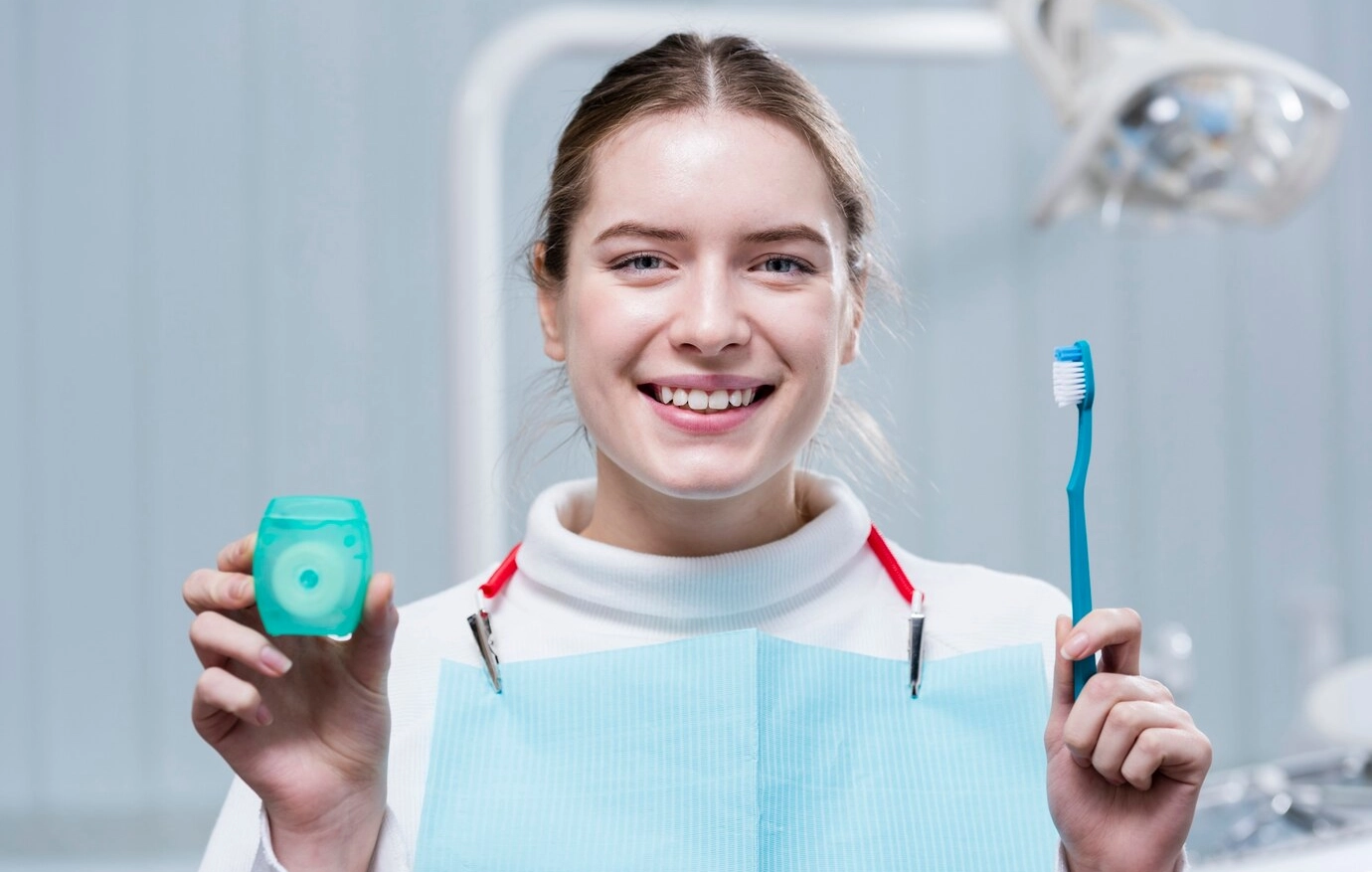
Adults and children over six should brush twice daily with fluoride toothpaste. Children under three need just a smear (rice-grain size); ages 3–6 a pea-sized amount. Most adults benefit from a fluoride mouthwash at night, especially those prone to cavities. Your dentist may recommend professional fluoride varnish at cleanings.
Myths Worth Clearing Up
No reliable study links normal fluoride exposure to cancer, lowered IQ, or systemic health issues. The studies often cited online used doses far higher than any regulated water supply. Fluoride does not weaken bones, does not cause thyroid problems, and is not a toxin at normal dental doses.
Talk to Your Dentist
Fluoride needs vary by age, cavity risk, and water supply fluoride content. If you drink only bottled water, your children may benefit from extra professional fluoride treatments. If you are prone to fluorosis or have specific concerns, your dentist can tailor recommendations just for you.
Have questions about the right fluoride routine for your family? We are happy to talk through it. Book a preventive care visit today.
Book Appointment
By Dr. Sarah Bennett · May 29, 2026 · Preventive Dentistry